

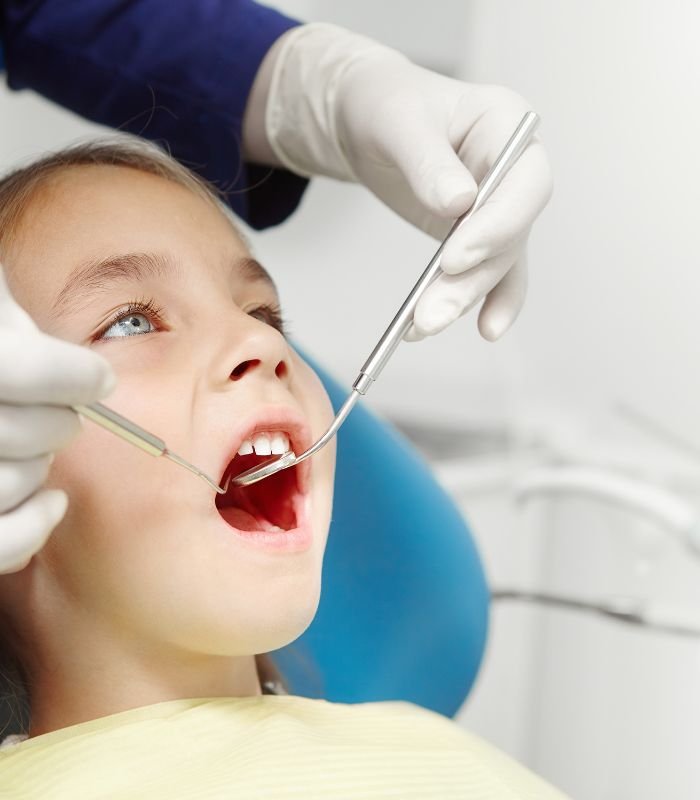
Pediatric Dentistry in Chandigarh and Majat
RABRA’S Dental & Implant Clinic provides gentle and personalized pediatric dentistry in Chandigarh and Majat for infants, children, teenagersand young patients with different oral-health needs.
Children require dental care that considers their age, tooth development, behaviour, comfort, diet, oral habitsand risk of cavities. Our team aims to create a calm and reassuring environment where children can gradually become comfortable with dental examinations and treatment.
Our pediatric dental services include routine check-ups, cavity detection, tooth-coloured fillings, professional cleaning, preventive guidance, treatment of tooth pain, management of selected dental injuriesand monitoring of developing teeth.
Parents searching for a children’s dentist in Chandigarh, kids dental clinic in Sector 19 or pediatric dental care in Majat can schedule an appointment at either clinic.
Protecting Your Smile Before Problems Begin

Why Choose Us
Complete Dental Care
Access general dentistry, dental implants, root canal treatment, cosmetic dentistry, pediatric care, dentures, crownsand preventive treatments under one roof.Personalized Treatment Plans
Every patient receives a carefully planned treatment based on their dental condition, oral health needs, comfortand personal goals.Modern Dental Technology
We use modern dental equipment and updated techniques to support accurate diagnosis, efficient treatmentand a comfortable dental experience.Gentle Family Dentistry
Our caring approach helps children, adults, senior citizensand nervous patients feel comfortable and confident during their dental visits.Hygiene and Patient Safety
We follow appropriate sterilization and infection-control practices to maintain clean treatment areas and a hygienic clinical environment.Two Convenient Locations
Visit our dental clinic in Sector 19C, Chandigarh, or Dharakh, Majat, for convenient access to complete family dental care.Gentle Dental Care for Growing Smiles
Positive childhood dental experiences can help children develop healthy habits and reduce fear of dental visits. Our team speaks with children in simple, age-appropriate language and introduces treatment gradually wherever possible.
Parents are also guided about brushing, toothpaste use, diet, cavity prevention, oral habitsand what to do during a dental emergency.
Every child has different needs. Some children feel comfortable immediately, while others require additional time to become familiar with the dental environment. Our approach is adapted to the child’s age, confidence, treatment needsand ability to cooperate.
What Is Pediatric Dentistry?
Pediatric dentistry focuses on the oral health of infants, childrenand adolescents. It includes preventive care, early diagnosis, treatment of dental disease, management of oral habitsand monitoring of tooth and jaw development.
Children’s dental care may involve:
- Examination of baby and permanent teeth
- Cavity-risk assessment
- Teeth cleaning
- Tooth-coloured fillings
- Fluoride guidance
- Dental sealant assessment
- Treatment of toothache
- Management of broken teeth
- Early orthodontic assessment
- Guidance for thumb-sucking habits
- Advice for parents and caregivers
- Monitoring of tooth eruption
- Dental emergency assessment
- Preventive diet guidance
The recommended treatment depends on the child’s age, oral health, symptomsand individual risk factors.
When Should a Child First Visit the Dentist?
A child’s first dental visit should ideally occur when the first teeth begin appearing and no later than the first birthday. Early visits allow the dentist to examine tooth development, identify risk factorsand guide parents before dental problems begin. This timing is also recommended by the American Academy of Pediatric Dentistry.
The first visit is often brief and may include:
- Examination of the mouth and developing teeth
- Discussion of brushing techniques
- Guidance about toothpaste
- Feeding and diet advice
- Cavity-risk assessment
- Discussion of teething
- Review of thumb or pacifier habits
- Planning of future dental visits
- Answering parents’ questions
A child does not need to wait until there is pain or a visible cavity before visiting the dentist.
Our Pediatric Dental Services
Routine Dental Check-Ups
Regular dental examinations help monitor baby teeth, permanent teeth, gums, biteand jaw development. Early check-ups can identify cavities, enamel concerns, gum problems, delayed eruptionand developing alignment issues.
The frequency of visits depends on the child’s oral health and cavity risk. The dentist will recommend an appropriate recall schedule.
Teeth Cleaning for Children
Professional cleaning may be recommended when plaque, tartar, or surface stains are present. The appointment also provides an opportunity to demonstrate effective brushing and cleaning techniques.
Tooth-Coloured Fillings
Composite dental fillings may be used to restore suitable cavities or minor tooth damage. The dentist removes the affected area and places a filling designed to restore the tooth’s shape and function.
Preventive Dental Care
Preventive pediatric dentistry focuses on reducing the risk of cavities and gum problems through regular examinations, brushing guidance, dietary advice, cleaningand other suitable measures.
Dental Sealant Assessment
The chewing surfaces of back teeth contain grooves where food and plaque can collect. Dental sealants may be considered for selected teeth to help protect these vulnerable areas.
Treatment of Tooth Pain
Toothache in children can result from cavities, infection, a loose tooth, food trapping, injury, or gum problems. A dental examination is required to identify the cause and recommend treatment.
Treatment of Broken Teeth
A chipped, cracked, or fractured tooth should be assessed promptly. Treatment depends on whether the tooth is a baby or permanent tooth and how much structure has been damaged.
Dental Emergency Care
Children may require urgent dental assessment after a fall, sports injury, broken tooth, severe toothache, swelling, or damage to the lips and gums.
Early Orthodontic Assessment
The dentist can monitor tooth eruption, crowding, spacing, biteand jaw development. An orthodontic consultation may be recommended if a developing concern requires further assessment.
Why Are Baby Teeth Important?
Baby teeth are temporary, but they play an important role in a child’s development. They help children chew food, speak clearly, smile confidentlyand maintain space for permanent teeth.
Untreated cavities in baby teeth may cause pain, infection, difficulty eating, disturbed sleepand missed school. A severely infected baby tooth can also affect surrounding tissues and require more extensive treatment.
Maintaining healthy baby teeth supports:
- Comfortable chewing
- Speech development
- Facial development
- Space for permanent teeth
- Healthy eating habits
- Confidence while smiling
- Reduced risk of dental infection
- Better adaptation to dental visits
Baby teeth should be examined and treated according to their condition and expected time of natural loss.
Common Dental Problems in Children
Dental Cavities
Tooth decay is one of the most common childhood dental concerns. It can develop when plaque bacteria frequently interact with sugars and starches.
Early cavities may not cause pain. Regular examinations help detect decay before it progresses deeper into the tooth.
Tooth Sensitivity
Sensitivity can occur because of cavities, enamel defects, worn teeth, gum recession, or recent dental treatment. The cause should be professionally evaluated.
Toothache
Dental pain may result from decay, infection, injury, food trapping, or an erupting tooth. Persistent pain should not be ignored.
Gum Inflammation
Plaque buildup can make a child’s gums red, swollen, or likely to bleed. Improved brushing and professional cleaning may be recommended.
Early Tooth Loss
A baby tooth may be lost early because of decay or injury. The dentist may assess whether space management is required.
Crowded or Misaligned Teeth
Crowding, spacing, crossbite, prominent teethand other alignment concerns may become visible as the jaws and permanent teeth develop.
Dental Injuries
Falls, sportsand playground accidents can cause chipped, displaced, or knocked-out teeth. Prompt dental assessment may improve treatment options.
Cavity Prevention for Children
Preventing tooth decay requires a combination of home care, dietand regular dental assessment.
Parents can support their child’s oral health by:
- Brushing the child’s teeth twice daily
- Using an age-appropriate toothbrush
- Using the recommended amount of fluoride toothpaste
- Helping younger children brush effectively
- Encouraging children to spit out toothpaste
- Cleaning between teeth when appropriate
- Limiting frequent sugary snacks
- Reducing sweetened drinks
- Avoiding prolonged exposure to sugary bottles
- Encouraging water between meals
- Attending routine dental check-ups
- Arranging professional cleaning when advised
- Asking about dental sealants
- Treating cavities early
Parents should supervise or assist brushing until the child can clean all tooth surfaces effectively.
Fluoride Toothpaste for Children
Fluoride toothpaste can help strengthen tooth enamel and reduce cavity risk when used correctly. The quantity should be selected according to the child’s age and ability to spit.
The American Academy of Pediatric Dentistry advises a small smear of fluoride toothpaste for children under three and a pea-sized amount for children aged three to six, with adult assistance and supervision.
Parents should ask the dentist for personalized advice if their child has a high cavity risk, swallowing difficulty, enamel problems, or another special healthcare need.
Diet and Children’s Dental Health
How often a child consumes sugar can strongly influence cavity risk. Repeated snacking on sugary foods gives mouth bacteria more opportunities to produce acids that attack tooth enamel.
Helpful dietary habits include:
- Serving balanced meals
- Limiting sweets between meals
- Reducing packaged sugary snacks
- Avoiding frequent sweetened drinks
- Offering water between meals
- Avoiding sugary drinks at bedtime
- Including suitable fruits and vegetables
- Reading food labels for hidden sugars
- Avoiding prolonged sipping from bottles
- Discussing dietary concerns with the dentist
Sticky foods can remain on teeth longer, while acidic drinks can contribute to enamel wear. Moderation and timing are important.
Thumb-Sucking and Pacifier Habits
Thumb-sucking and pacifier use are common during infancy and early childhood. If these habits continue for a prolonged period, they may influence the position of developing teeth and the shape of the bite.
Parents should avoid punishment or shaming. Gentle encouragement and positive reinforcement are often more helpful.
A dental assessment may be advised if:
- The habit continues as permanent teeth approach
- Front teeth begin moving forward
- An open bite develops
- Speech is affected
- The child breathes through the mouth
- Parents are concerned about jaw development
The dentist can monitor the habit and discuss age-appropriate management.
Children’s Dental Examination Process
Friendly Introduction
The child is introduced to the dental environment in a calm and age-appropriate way. Simple explanations may be used to describe what will happen.
Discussion with Parent or Caregiver
The dentist asks about dental symptoms, medical history, medications, brushing, diet, habitsand previous dental experiences.
Oral Examination
The teeth, gums, tongue, biteand visible oral tissues are examined. Tooth eruption and development are also monitored.
Dental X-Rays When Required
Dental X-rays are recommended only when clinically needed to diagnose cavities, assess tooth development, examine injury, or plan treatment.
Treatment Discussion
The dentist explains the findings and suitable options to the parent or caregiver. Treatment may be completed immediately or planned for a later appointment depending on the child and procedure.
Preventive Guidance
Parents receive advice about brushing, toothpaste, diet, dental emergenciesand future check-ups.
Helping an Anxious Child at the Dentist
Parents can help make dental visits more positive by:
- Speaking about the dentist in a calm manner
- Avoiding frightening words
- Not sharing negative dental experiences
- Choosing an appointment time when the child is rested
- Giving simple, honest explanations
- Allowing the dental team to guide the visit
- Avoiding promises that cannot be guaranteed
- Praising cooperative behaviour
- Bringing the child for routine visits before pain develops
- Following preparation instructions from the clinic
Some children need more than one visit to become comfortable. Treatment planning may be adjusted according to urgency, age, behaviourand individual needs.
Pediatric Dental Emergencies
Knocked-Out Permanent Tooth
A knocked-out permanent tooth requires urgent dental attention. Hold it by the crown rather than the root, avoid scrubbing itand contact the clinic immediately for instructions.
A knocked-out baby tooth should not usually be placed back into the socket because this may affect the developing permanent tooth.
Broken Tooth
Save any available tooth fragment, rinse the mouth gentlyand arrange a dental assessment. Treatment depends on the depth and location of the fracture.
Toothache
Rinse the child’s mouth gently and check for trapped food. Do not place aspirin or another medication directly on the tooth or gums.
Facial Swelling
Dental swelling may indicate infection. Arrange prompt assessment, especially if swelling is increasing or the child has fever, difficulty swallowing, or breathing problems.
Injury to Lips or Gums
Apply gentle pressure with clean gauze to control bleeding. Seek urgent care if the wound is deep, bleeding does not stop, or a tooth has also been injured.
Pediatric Dentistry Cost in Chandigarh
The cost of pediatric dental treatment in Chandigarh depends on the child’s oral condition and the procedure required.
Factors that may influence treatment cost include:
- Type of dental examination
- Number and size of cavities
- Tooth-coloured fillings
- Dental cleaning
- Dental X-rays
- Treatment of an injured tooth
- Pulp treatment for a baby tooth
- Dental crown requirements
- Tooth extraction
- Space-management needs
- Emergency dental care
- Number of appointments
- Child’s treatment needs and cooperation
An accurate estimate is provided after examination. Parents comparing affordable pediatric dentistry in Chandigarh should consider the diagnosis, preventive care, treatment complexity, restorationand required follow-up.
Why Choose RABRA’S Dental & Implant Clinic?
Gentle and Reassuring Approach
Our team introduces children to dental care using calm, simpleand age-appropriate communication.
Preventive Dental Focus
We guide families about brushing, toothpaste, diet, regular examinationsand cavity prevention.
Treatment for Baby and Permanent Teeth
Our dental services address suitable concerns affecting primary teeth, newly erupted permanent teethand adolescent oral health.
Personalized Treatment Planning
Every treatment plan considers the child’s age, oral health, symptoms, comfortand treatment needs.
Parent Education
Parents receive clear guidance about the dental problem, available treatment, home care, aftercareand prevention.
Clean and Hygienic Environment
Appropriate sterilization and infection-control practices are followed to maintain a hygienic clinical environment.
Two Convenient Locations
Families can arrange children’s dental appointments at our clinics in Sector 19C, Chandigarhand Majat, Punjab.
Pediatric Dentistry in Chandigarh
RABRA’S Dental & Implant Clinic provides pediatric dentistry in Sector 19C, Chandigarh, for infants, children, teenagersand young patients.
Our children’s dental services include routine check-ups, cavity treatment, tooth-coloured fillings, dental cleaning, preventive guidance, toothache assessment, dental-injury careand monitoring of developing teeth.
If you are searching for a children’s dentist in Chandigarh, kids dentist in Chandigarh, pediatric dental clinic in Sector 19, or child toothache treatment near you, contact our team for an appointment.
Chandigarh Clinic Address
RABRA’S Dental & Implant Clinic
SCF-20, First Floor, Near Bata Shoe
Sector 19C, Chandigarh – 160019
Phone: 8558885591
Pediatric Dentistry in Majat
Our dental clinic provides pediatric dentistry in Majat for children requiring preventive check-ups, cavity treatment, fillings, dental cleaning, toothache assessment, or emergency dental evaluation.
Families from Majat, Kharar, Kurali, Morindaand nearby areas can visit us for age-appropriate children’s dental care.
If you are looking for a kids dentist in Majat, children’s dental clinic in Majat, or pediatric dental care near Kharar and Kurali, contact our team to schedule an appointment.
Majat Clinic Address
RABRA’S Dental & Implant Clinic
Majat, Punjab – 140307
Phone: 8558885591
Frequently Asked Questions About Pediatric Dentistry
When should my child first visit a dentist?
A child should ideally have a dental visit when the first teeth begin appearing and no later than the first birthday.
How often should children visit the dentist?
The schedule depends on the child’s oral health and cavity risk. Many children benefit from visits around every six months, but the dentist may recommend a different interval.
Are baby teeth important if they eventually fall out?
Yes. Baby teeth support chewing, speech, appearance, facial developmentand spacing for permanent teeth. Cavities and infections in baby teeth can cause pain and other problems.
What causes cavities in children?
Cavities develop through the interaction of plaque bacteria, tooth surfacesand frequent exposure to sugars or starches. Oral hygiene, diet, salivaand individual risk also influence decay.
Can children receive tooth-coloured fillings?
Yes. Composite fillings may be used for suitable cavities in baby or permanent teeth. The recommended restoration depends on cavity size, tooth position, moisture controland expected lifespan.
What should I do if my child is afraid of the dentist?
Use positive language, avoid describing frightening experiencesand schedule routine visits before pain occurs. Some children need gradual familiarization.
Is thumb-sucking harmful to teeth?
Thumb-sucking is common in young children. If it continues for a prolonged period, it may influence tooth position and bite development. A dentist can monitor the habit.
What should I do if my child breaks a tooth?
Contact the clinic promptly. Save any tooth fragment, rinse the mouth gentlyand apply a cold compress externally if swelling is present.
Does every child need dental X-rays?
No. Dental X-rays are recommended according to symptoms, cavity risk, tooth development, injuryand treatment needs.
How much does pediatric dental treatment cost in Chandigarh?
The cost depends on the examination, condition, number of affected teeth, procedure, materialsand appointments. An estimate is provided after the child is examined.
Ready to Book Your Appointment?
Contact us today to schedule your visit and take the first step toward a healthier smile.