
Tooth Extraction in Chandigarh and Majat
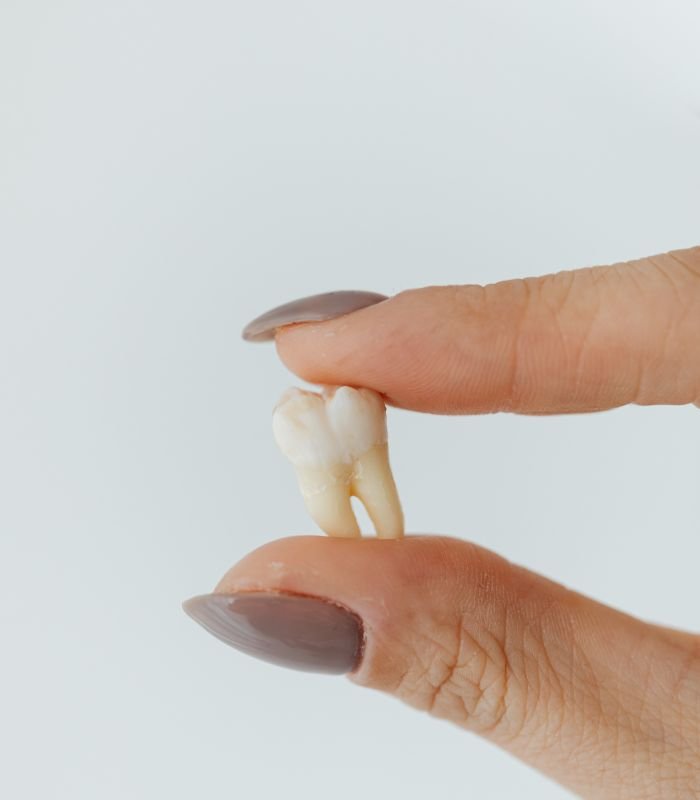
RABRA’S Dental & Implant Clinic provides carefully planned tooth extraction in Chandigarh and Majat for severely damaged, decayed, infected, loose or impacted teeth that cannot be predictably restored.
Tooth removal is usually considered only after the dentist has examined the tooth and assessed whether it can be saved with a filling, root canal treatment, crown, gum treatment or another suitable procedure. When preservation is not clinically appropriate, extraction may help remove the source of pain, infection, or repeated dental problems.
Our dentist evaluates your symptoms, medical history, medications, dental X-rays, tooth position, roots, gumsand surrounding bone before recommending treatment. Patients searching for tooth removal in Chandigarh, dental extraction in Sector 19 or an extraction dentist in Majat can schedule a consultation at either clinic.
Protecting Your Smile Before Problems Begin
Why Choose Us
Complete Dental Care
Access general dentistry, dental implants, root canal treatment, cosmetic dentistry, pediatric care, dentures, crownsand preventive treatments under one roof.Personalized Treatment Plans
Every patient receives a carefully planned treatment based on their dental condition, oral health needs, comfortand personal goals.Modern Dental Technology
We use modern dental equipment and updated techniques to support accurate diagnosis, efficient treatmentand a comfortable dental experience.Gentle Family Dentistry
Our caring approach helps children, adults, senior citizensand nervous patients feel comfortable and confident during their dental visits.Hygiene and Patient Safety
We follow appropriate sterilization and infection-control practices to maintain clean treatment areas and a hygienic clinical environment.Two Convenient Locations
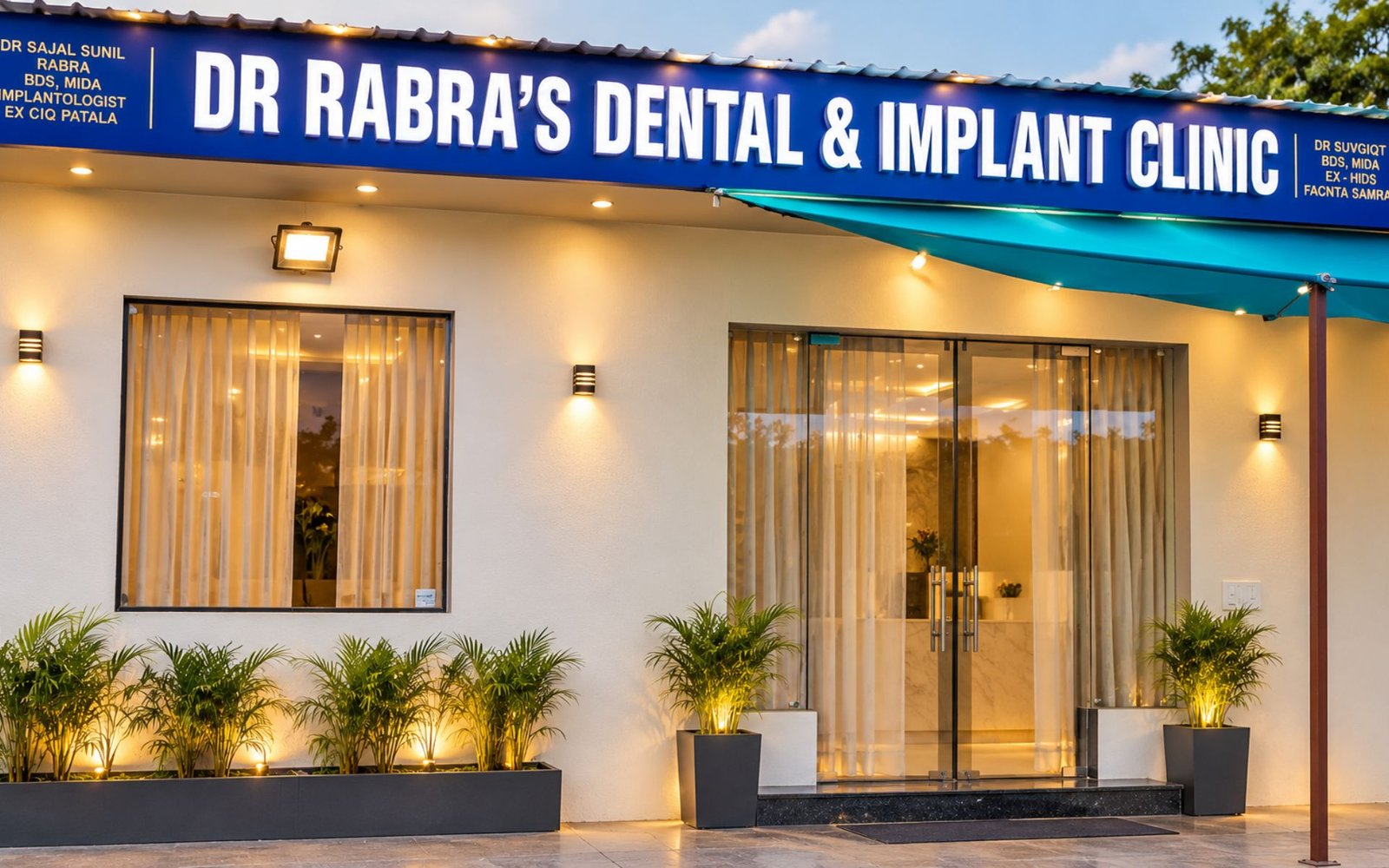
Visit our dental clinic in Sector 19C, Chandigarh, or Dharakh, Majat, for convenient access to complete family dental care.Careful Treatment for Painful or Damaged Teeth
A badly damaged or infected tooth can interfere with eating, sleeping, speakingand daily activities. In some cases, delaying treatment may allow infection, swelling, or surrounding dental damage to become more extensive.
Tooth extraction may be simple or surgical depending on the position, conditionand shape of the tooth. Our dental team explains why removal has been recommended, what the procedure involves, available alternatives, expected recoveryand possible tooth-replacement options.
Every tooth extraction in Chandigarh or Majat is planned according to the patient’s individual oral and general health.
When Is Tooth Extraction Required?
A dentist may recommend tooth removal for several reasons:
- Severe tooth decay
- A tooth that cannot be restored
- Extensive tooth fracture
- Advanced gum disease
- A severely loose permanent tooth
- Dental infection or abscess
- Failed root canal treatment
- Impacted wisdom tooth
- Partially erupted wisdom tooth
- Overcrowding before orthodontic treatment
- Retained tooth roots
- Extra or supernumerary teeth
- A damaged tooth below the gum line
- Repeated pain around the same tooth
- A tooth affecting nearby teeth
- Selected preparation for dentures
- Dental trauma
- Infection risk in specific medical situations
Extraction is not automatically required for every painful or infected tooth. A complete examination helps determine whether the tooth can be preserved.
Signs You May Need an Extraction Consultation
Arrange a dental examination if you experience:
- Severe or persistent tooth pain
- Swelling around a tooth
- Facial or jaw swelling
- Pain while biting or chewing
- A broken tooth near the gum line
- A deeply decayed tooth
- Pus or an unpleasant taste
- A recurring gum boil
- A loose permanent tooth
- Difficulty opening the mouth
- Pain around a wisdom tooth
- Gum swelling behind the last molar
- Food repeatedly collecting around a damaged tooth
- Fever associated with dental swelling
- A tooth that has changed colour after injury
Severe swelling, difficulty breathing or swallowing, or rapidly worsening symptoms require urgent medical or dental attention.
Types of Tooth Extraction
Simple Tooth Extraction
A simple extraction may be performed when the tooth is visible above the gum line and can be accessed with standard dental instruments. Local anaesthesia is used to numb the treatment area.
The dentist carefully loosens and removes the tooth before examining the socket and providing aftercare instructions.
Surgical Tooth Extraction
A surgical extraction may be required when a tooth is broken below the gum line, impacted, difficult to access, or positioned in a complex way.
The procedure may involve making a small opening in the gum, removing a limited amount of surrounding bone, or dividing the tooth into sections. Stitches may be placed where required.
Wisdom Tooth Extraction
Wisdom teeth may require removal if they cause pain, infection, decay, damage to a nearby tooth, cyst formation, or repeated gum inflammation. Not every wisdom tooth needs extraction.
Dental imaging helps evaluate the tooth’s position, roots, surrounding boneand relationship to nearby structures before wisdom tooth removal in Chandigarh or Majat is planned.
Extraction of a Broken Tooth
A tooth fractured near or below the gum line may require a simple or surgical approach depending on the remaining visible structure and root position.
Retained Root Removal
A root may remain after a tooth breaks or after an incomplete previous extraction. Removal is considered according to symptoms, infection, locationand clinical risk.
Extraction Before Orthodontic Treatment
Selected teeth may be removed when required to create space for orthodontic alignment. The decision should form part of a complete braces or orthodontic treatment plan.
Can the Tooth Be Saved?
Before recommending extraction, the dentist may consider whether the tooth can be restored with:
- A tooth-coloured filling
- Root canal treatment
- Dental crown
- Post and core restoration
- Gum treatment
- Repair of a damaged restoration
- Root canal retreatment
- Another tooth-preserving procedure
Saving a natural tooth is generally preferred when it is healthy enough to be predictably treated and restored. Extraction may be recommended when too little tooth structure remains, a fracture extends unfavourably, supporting bone is severely reduced, or infection cannot be appropriately managed while retaining the tooth.
Tooth Extraction Procedure
Consultation and Medical History
The dentist discusses your symptoms, medical conditions, allergies, previous treatmentand current medicines. Tell the dentist if you take blood-thinning medication or have diabetes, heart conditions, immune-system concerns, or previous problems with dental treatment.
Do not stop prescribed medication unless the prescribing healthcare professional and dentist provide appropriate instructions.
Clinical Examination
The tooth, gums, nearby teeth, bite, swellingand surrounding tissues are examined. The dentist also checks how much of the tooth is visible and whether it is loose or broken.
Dental X-Ray
A dental X-ray may be advised to evaluate the tooth roots, position, surrounding bone, infectionand nearby anatomical structures.
Discussion of Treatment
The dentist explains whether the tooth may be saved, why extraction has been recommended, whether the procedure is expected to be simple or surgicaland what replacement options may be available.
Local Anaesthesia
Local anaesthesia is administered to numb the tooth and surrounding tissues. Patients may feel pressure or movement during the procedure, but the area is managed to reduce pain.
Tooth Removal
The tooth is carefully loosened and removed. Surgical techniques may be used if the tooth is impacted, broken, or difficult to access.
Socket Care
After removal, the socket is examined and cleaned when required. Stitches may be placed in selected casesand gauze is used to help control bleeding.
Aftercare Instructions
The patient receives personalized instructions regarding bleeding, food, cleaning, medication, activity, smokingand warning signs.
Wisdom Tooth Removal
Wisdom teeth are the last teeth at the back of the mouth. Some erupt normally and remain healthy, while others become impacted, partially erupted, decayed, or difficult to clean.
Possible reasons for wisdom tooth extraction include:
- Repeated pain
- Infection around the gum
- Swelling near the back tooth
- Food trapping
- Tooth decay
- Damage to the nearby molar
- Cyst formation
- Unfavourable eruption
- Difficulty maintaining hygiene
- Repeated biting of surrounding tissues
Wisdom teeth should not be removed only because they are present. The dentist considers symptoms, clinical findings, imaging, age, root developmentand potential risks before recommending treatment.
Tooth Extraction for Dental Infection
An infected tooth may cause pain, swelling, tenderness, a gum boil, bad taste, or an abscess. Depending on the tooth’s condition, treatment may involve root canal therapy or extraction.
Antibiotics may be prescribed in selected situations, but they do not always remove the source of infection inside a severely damaged tooth. Definitive dental treatment may still be required.
Seek urgent assessment if dental swelling is increasing, spreading toward the face or neck, associated with fever, or affecting swallowing or breathing.
Benefits of Tooth Extraction When Necessary
When clinically appropriate, extraction may:
- Remove a non-restorable tooth
- Eliminate a source of repeated pain
- Address selected dental infections
- Remove a badly fractured tooth
- Manage an impacted wisdom tooth
- Protect a nearby tooth from selected damage
- Prepare the mouth for dentures
- Create space for planned orthodontic treatment
- Remove severely loose teeth
- Allow future replacement with an implant, bridge, or denture
The expected benefits and risks vary according to the tooth, procedure, medical historyand surrounding structures.
Tooth Extraction Cost in Chandigarh
The cost of tooth extraction in Chandigarh depends on the type and complexity of the procedure.
Factors that may influence extraction cost include:
- Simple or surgical extraction
- Position of the tooth
- Number and shape of roots
- Whether the tooth is impacted
- Whether the tooth is broken
- Amount of visible tooth structure
- Need for dental X-rays
- Presence of infection or swelling
- Need for stitches
- Number of teeth being removed
- Complexity of wisdom tooth removal
- Follow-up requirements
- Need for future tooth replacement
An accurate estimate is provided after examination and imaging when required. Patients comparing affordable tooth extraction in Chandigarh should confirm whether the quoted price relates to a simple extraction, surgical removal, or impacted wisdom tooth procedure.
Aftercare Following Tooth Extraction
A blood clot forms in the socket after extraction and plays an important role in healing. Follow the instructions provided by your dentist carefully.
General aftercare may include:
- Bite on the provided gauze as instructed
- Rest after the procedure
- Avoid disturbing the extraction site
- Do not touch the socket with your fingers or tongue
- Avoid forceful rinsing or spitting for the initial 24 hours
- Avoid using a straw during early healing
- Avoid smoking, vapingand tobacco
- Avoid strenuous exercise during the initial recovery period
- Eat soft foods as advised
- Avoid very hot foods and drinks while numb
- Brush the other teeth carefully
- Avoid direct brushing over the socket initially
- Take prescribed medicines as directed
- Use salt-water rinses only when advised
- Attend the recommended follow-up appointment
Official post-extraction guidance advises avoiding rinsing, spitting, or touching the socket during the first 24 hours because doing so may disturb the healing blood clot.
What to Eat After Tooth Removal
During the early recovery period, select soft foods that require minimal chewing. Suitable choices may include:
- Soft rice
- Khichdi
- Mashed vegetables
- Curd
- Soft eggs
- Soup that is not hot
- Smooth porridge
- Soft pasta
- Banana
- Other foods recommended by your dentist
Avoid chewing directly over the extraction site. Hard, sharp, sticky, spicy, or very hot foods may irritate the area during early healing.
Drink normally from a cup and avoid using a straw unless your dentist provides different instructions.
Healing After Tooth Extraction
Healing time varies according to the tooth removed, procedure complexity, infection, age, general health, smokingand aftercare.
Mild discomfort, swelling, bruising, or limited mouth opening may occur after selected extractions. These symptoms should generally begin improving rather than becoming progressively worse.
Contact the clinic if you experience:
- Bleeding that does not settle
- Severe or increasing pain
- Swelling that continues to worsen
- Fever or feeling unwell
- Pus or a persistent unpleasant taste
- Difficulty breathing or swallowing
- Numbness that concerns you
- An allergic reaction
- Loss of stitches with another concern
- Any unexpected symptom
What Is Dry Socket?
Dry socket is a painful complication that can occur when the blood clot in the extraction socket is lost or disrupted before healing progresses sufficiently.
Possible symptoms include increasing pain a few days after extraction, pain spreading toward the ear or jaw, an unpleasant taste, or bad breath.
Smoking, forceful rinsing, spitting, touching the socketand other factors may increase risk. Contact the dentist if pain becomes severe or starts worsening after initially improving.
Replacing a Tooth After Extraction
Removing a permanent tooth can leave a space that affects chewing, appearance, or the position of nearby teeth. Replacement is not required in exactly the same way for every tooth, but available options may include:
Dental Implant
A dental implant is placed in the jawbone and restored with a crown. Suitability depends on bone, gums, medical history, healingand available space.
Dental Bridge
A bridge replaces a missing tooth using nearby teeth or implants for support.
Partial Denture
A removable partial denture may replace one or more missing teeth, including teeth in different areas of the mouth.
The dentist will explain whether replacement is recommended, suitable timingand available choices after extraction.
Why Choose RABRA’S Dental & Implant Clinic?
Tooth-Saving Assessment
We first evaluate whether a painful or damaged tooth can be restored before recommending extraction.
Personalized Treatment Planning
The procedure is planned according to the tooth position, roots, infection, surrounding bone, medical historyand individual needs.
Simple and Surgical Extraction Assessment
We evaluate routine tooth removal, broken teeth, retained roots, impacted teethand wisdom tooth concerns.
Clear Procedure Explanation
Our dentist explains why extraction is recommended, available alternatives, expected procedure, aftercareand applicable charges.
Complete Tooth-Replacement Options
Patients can discuss dental implants, bridgesand partial dentures after extraction when tooth replacement is appropriate.
Hygiene and Patient Safety
Appropriate sterilization and infection-control practices are followed to maintain a clean treatment environment.
Two Convenient Locations
Patients can schedule a tooth extraction consultation at our clinics in Sector 19C, Chandigarhand Majat, Punjab.
Tooth Extraction in Chandigarh
RABRA’S Dental & Implant Clinic provides tooth extraction in Sector 19C, Chandigarh, for severely decayed, broken, infected, looseand impacted teeth.
Patients can consult us for simple tooth removal, surgical extraction assessment, broken-tooth extraction, retained root removaland wisdom tooth evaluation.
If you are searching for a tooth extraction dentist in Chandigarh, wisdom tooth removal in Chandigarh, emergency tooth removal in Sector 19, or an extraction clinic near you, contact our team for an appointment.
Chandigarh Clinic Address
RABRA’S Dental & Implant Clinic
SCF-20, First Floor, Near Bata Shoe
Sector 19C, Chandigarh – 160019
Phone: 8558885591
Tooth Extraction in Majat
Our dental clinic provides tooth extraction in Majat for patients with severe tooth decay, dental infection, loose teeth, broken teeth, retained rootsand painful wisdom teeth.
Patients from Majat, Kharar, Kurali, Morindaand nearby areas can visit us for examination and personalized treatment planning.
If you are looking for a tooth extraction dentist in Majat, wisdom tooth removal in Majat, or emergency tooth removal near Kharar and Kurali, contact our team to schedule an appointment.
Majat Clinic Address
RABRA’S Dental & Implant Clinic
Majat, Punjab – 140307
Phone: 8558885591
Frequently Asked Questions About Tooth Extraction
Is tooth extraction painful?
Local anaesthesia is used to numb the area during extraction. Patients may feel pressure or movement. Temporary discomfort after the procedure varies according to the tooth and complexity.
Can every painful tooth be removed?
Extraction is not always necessary. Some painful teeth can be treated with fillings, root canal treatment, crowns, or gum care. The dentist will recommend removal only when appropriate.
How long does a tooth extraction take?
Procedure time varies according to the tooth position, roots, visible structure, infectionand whether a simple or surgical approach is needed.
When can I eat after an extraction?
Follow your dentist’s instructions and wait until it is safe to eat, particularly if your mouth remains numb. Begin with soft food and avoid chewing over the extraction site.
Can I brush after tooth removal?
Continue cleaning the rest of your mouth carefully, but avoid disturbing the socket. Follow the procedure-specific instructions provided by your dentist.
Can I smoke after extraction?
Smoking can interfere with healing and increase the risk of complications such as dry socket. Avoid smoking and follow the duration recommended by your dentist.
When should a wisdom tooth be removed?
Wisdom tooth removal may be recommended for pain, infection, decay, cysts, damage to nearby teeth, or repeated gum inflammation. Asymptomatic teeth require individual assessment.
Do I need antibiotics after extraction?
Antibiotics are not required after every extraction. They are prescribed only when the dentist considers them clinically appropriate.
Should a missing tooth be replaced?
Replacement depends on the tooth location, bite, appearance, nearby teethand oral health. Options may include a dental implant, bridge, or partial denture.
How much does tooth extraction cost in Chandigarh?
Cost depends on whether the extraction is simple or surgical, the tooth position, root shape, impaction, imagingand other clinical requirements. An estimate is provided after examination.
Ready to Book Your Appointment?
Contact us today to schedule your visit and take the first step toward a healthier smile.